How-to Guide: Preventing Hydroplaning on Rainy Drives

February 1, 2024

Florida's unpredictable rain showers can make the roads slippery and challenging for even the most experienced drivers. An important aspect of staying in control on rainy drives is understanding and avoiding hydroplaning.


In this blog, you'll find a step-by-step guide that will give you the expertise you need to navigate Cape Coral's rain-soaked roads with grace and poise and make hydroplaning issues a mere footnote on your ride.


Let's dig in. 


What is Hydroplaning?


Hydroplaning, or aquaplaning, occurs when a vehicle's tires encounter more water than they can drain from the road surface. This leads to a loss of traction, which causes the vehicle to skid uncontrollably. The risk increases at higher speeds, on wet roads, and with insufficient tire tread depth. Below, you will find tips on preventive maintenance for aquaplaning on rainy roads.


Tire Tread Depth: The Foundation of Traction


The first line of defense against hydroplaning is your tires. In the quest for safe driving, your tires play the main role, and their tread depth is the key to solid performance.


Think of tread depth like the grip on your shoes—it gives you grip. On rainy days, good tread depth helps your tires push the water away so they grip the road better and don't slide. It's like good traction control for your car.


Proper Tire Inflation: Balancing Grip and Control


This is a crucial aspect of maintaining a vehicle's performance, ensuring a delicate balance between grip and control on the road. Proper tire pressure ensures optimal grip on the road. Underinflated tires result in increased rolling resistance, reduced fuel efficiency, and impaired handling.


On the other hand, over-inflated tires result in a smaller contact patch and, therefore, less traction and control. Finding the correct balance is crucial to achieving peak performance, improving overall vehicle control, and ensuring stability when accelerating, braking, and cornering. 


Rotate and Balance: Maximizing Traction Across All Tires


For tire maintenance, the practice of rotating and balancing your tires emerges as a pivotal strategy for maximizing traction across all four wheels. Tire rotation involves systematically switching the position of each tire to ensure even wear, addressing the natural differences in load and steering dynamics that occur over time. 


Balancing, on the other hand, fine-tunes the equilibrium of each tire and wheel assembly to prevent imbalances that can arise due to factors like uneven tire wear or small imperfections in the manufacturing process. 


Alignment Checks: Steering Clear of Hydroplaning Risks


Routine alignment checks play a crucial role in steering clear of hydroplaning risks. A correctly aligned vehicle ensures even tire wear and optimum contact with the road.


Misaligned wheels can upset this balance and cause uneven tire tread, which increases the likelihood of hydroplaning on wet roads. By regularly checking and correcting the wheel alignment, you can reduce the risk of hydroplaning incidents. 


Choose the Right Tires: Traction Tailored to Your Drive


Choosing the right tires is an important decision that shapes the essence of your driving experience. Opt for tires tailored to your specific driving needs, whether for tackling tough terrain, navigating the city, or a smooth ride on the highway.


The right tires provide tailored traction and optimize grip and control. Consider factors such as tread pattern, tire size, and performance ratings to tailor your choice to the demands of your daily drive.


Need Help?


Contact us today to schedule your automotive maintenance, repairs, and other personalized assistance to ensure your vehicle is always ready to hit the road. Please call Premier Auto Service Center in 2023; we work with tons of vehicles. Please schedule an appointment today to get prepared to navigate the Florida rain with confidence and control.
By candsauto-9555-websiteredesign March 31, 2026
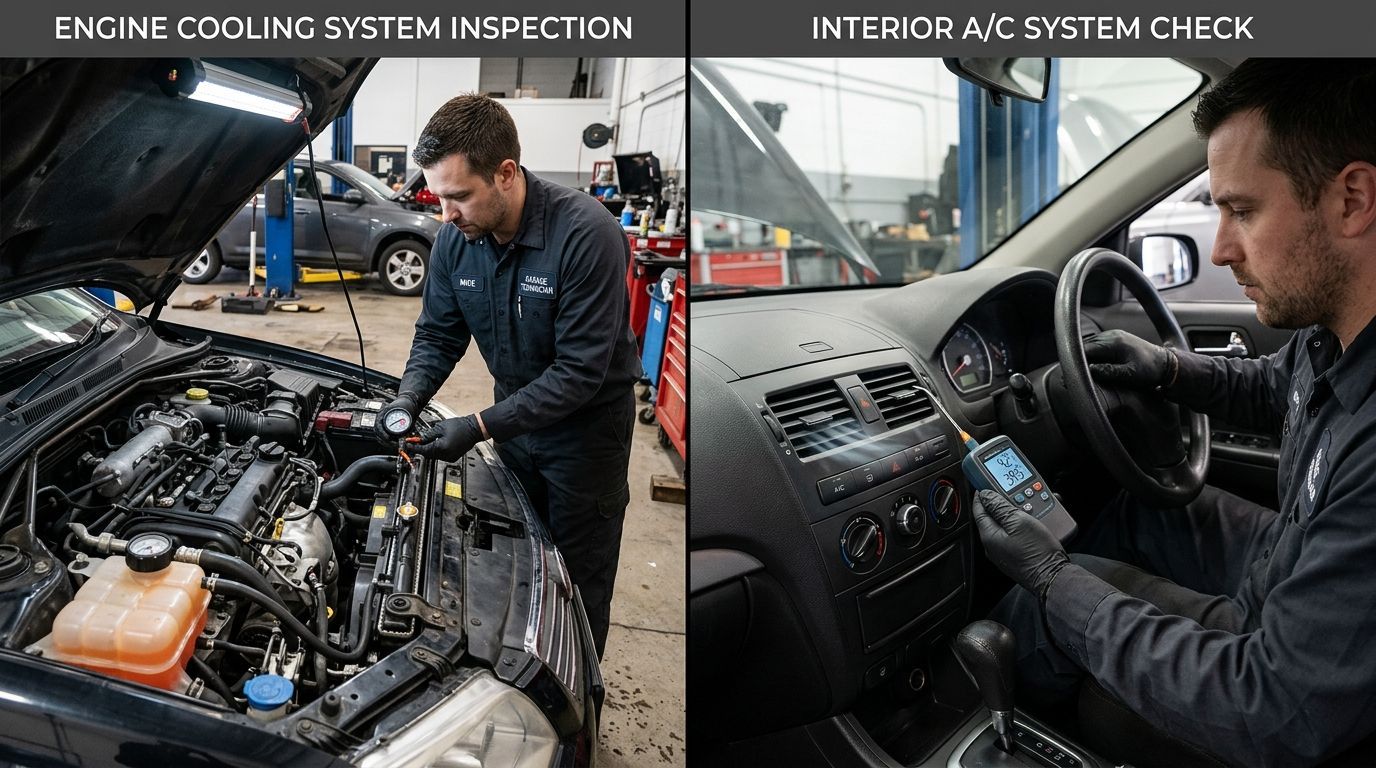
Why Understanding Your Vehicle’s Systems Matters Living in Cape Coral, Florida, drivers know just how important it is to keep their vehicles running cool—both inside the cabin and under the hood. With our year-round sunshine and high humidity, two systems in your car work especially hard: the engine cooling system and the air conditioning system. But many drivers assume they’re the same thing. In reality, understanding the Car Cooling System vs A/C System can help you recognize problems sooner, avoid costly repairs, and stay comfortable on the road. While both systems involve temperature control, they serve very different purposes. At Premier Auto Service Center, we often see drivers confused about whether an issue is related to the cooling system or the air conditioning. Knowing the difference between a Car Cooling System vs A/C System can help you explain symptoms to your technician and ensure your vehicle gets the right repair. Let’s take a closer look at how each system works and why both are essential for your vehicle’s performance and comfort. What Is a Car Cooling System? When discussing the Car Cooling System vs A/C System, it’s important to start with the engine cooling system. This system is responsible for regulating your engine’s temperature and preventing it from overheating. Your engine produces a tremendous amount of heat while running. Without a cooling system, those temperatures would quickly rise high enough to damage critical engine components. Key Components of the Cooling System Your vehicle’s cooling system includes several important parts that work together: Radiator – Dissipates heat from the coolant Coolant (antifreeze) – Absorbs and transfers heat away from the engine Water Pump – Circulates coolant throughout the engine Thermostat – Regulates engine temperature Cooling Fans – Help remove heat from the radiator Hoses and Reservoir – Transport and store coolant When comparing the Car Cooling System vs A/C System, the cooling system focuses entirely on engine protection. Signs of Cooling System Problems Because the cooling system protects your engine, issues with it should never be ignored. Common warning signs include: Engine overheating Steam coming from under the hood Coolant leaks Sweet smell from antifreeze Temperature gauge running hot If you notice these symptoms, it’s important to schedule service immediately. Engine overheating can lead to serious and expensive damage if left unresolved. What Is a Car A/C System? Now let’s look at the other side of the Car Cooling System vs A/C System comparison: the air conditioning system. Unlike the cooling system, your car’s A/C system isn’t designed to protect the engine. Instead, it cools the air inside the cabin to keep you and your passengers comfortable. During Florida’s hot summers, this system becomes essential. Key Components of the Car A/C System The air conditioning system relies on several specialized components: Compressor – Pressurizes refrigerant Condenser – Releases heat from refrigerant Evaporator – Absorbs heat from the cabin air Refrigerant – The cooling fluid circulating through the system Expansion Valve or Orifice Tube – Controls refrigerant flow When explaining the Car Cooling System vs A/C System, the biggest difference is that the A/C system manages cabin comfort, not engine temperature. Signs of A/C System Problems A failing air conditioning system usually presents itself through comfort-related issues such as: Air not blowing cold Weak airflow from vents Strange smells from the vents Clicking noises when the A/C runs Moisture buildup inside the vehicle At Premier Auto Service Center, our ASE-certified technicians diagnose these issues quickly to restore your comfort on the road. Car Cooling System vs A/C System: The Key Differences Understanding the Car Cooling System vs A/C System helps drivers recognize which system might be causing an issue. Here’s a simple breakdown. Purpose Cooling System: Keeps the engine from overheating. A/C System: Keeps the vehicle’s interior cool and comfortable. Fluids Used Cooling System: Uses coolant or antifreeze. A/C System: Uses refrigerant. Main Components Cooling System: Radiator, thermostat, coolant, water pump. A/C System: Compressor, condenser, evaporator. Location of Cooling Effect Cooling System: Inside the engine. A/C System: Inside the vehicle cabin. Even though the Car Cooling System vs A/C System operate separately, they can influence each other in certain situations. Can One System Affect the Other? This is a common question we hear from customers at Premier Auto Service Center. While they serve different purposes, the Car Cooling System vs A/C System are connected in some ways. For example: If your engine overheats, the vehicle may automatically shut off the A/C to reduce strain on the engine. The radiator and A/C condenser sit close together, meaning airflow affects both systems. Cooling fans often assist both systems in removing heat. This is why problems with the cooling system can sometimes make it seem like your air conditioning is failing. When drivers understand the relationship between the Car Cooling System vs A/C System, diagnosing issues becomes much easier. Seasonal Maintenance Tips for Florida Drivers Florida’s climate can put extra strain on both systems. That’s why routine maintenance is key to keeping your vehicle running smoothly. Here are a few preventative tips our team recommends: Schedule Cooling System Inspections Your cooling system should be inspected regularly to ensure coolant levels, hoses, and the radiator are functioning properly. Replace Coolant at Recommended Intervals Over time, coolant breaks down and loses effectiveness. Flushing and replacing coolant prevents overheating. Test Your A/C Before Summer Don’t wait until temperatures soar. Have your air conditioning system checked early in the season. Watch for Early Warning Signs Strange noises, weak cooling, or temperature fluctuations are all signs that service may be needed. Routine service helps prevent costly repairs and keeps both sides of the Car Cooling System vs A/C System operating efficiently. Why Professional Diagnostics Matter Modern vehicles are more complex than ever. Diagnosing problems related to the Car Cooling System vs A/C System requires specialized tools and training. At Premier Auto Service Center, our ASE-certified technicians perform detailed inspections to pinpoint the exact cause of the problem. We check: Cooling system pressure Radiator performance Thermostat operation Refrigerant levels Compressor functionality Our goal is simple: provide honest recommendations and reliable repairs that keep your vehicle safe and comfortable. Frequently Asked Questions Is the cooling system the same as the air conditioning system? No. The Car Cooling System vs A/C System perform completely different functions. The cooling system protects your engine from overheating, while the A/C system cools the air inside the cabin. Can a bad cooling system affect my A/C? Yes. In some cases, engine overheating can cause the vehicle to shut down the air conditioning system to protect the engine. Why does my car overheat when the A/C is on? This can happen if the cooling system is already under strain. A failing radiator, weak fan, or low coolant may be the cause. How often should my cooling system be serviced? Most vehicles benefit from a cooling system inspection at least once a year or every 12,000 miles. How often should my A/C system be checked? We recommend testing your air conditioning system before the start of summer to ensure it’s ready for Florida’s heat. Trust Premier Auto Service Center for Cooling & A/C Repairs Whether you’re dealing with engine overheating or an air conditioner that isn’t blowing cold, understanding the Car Cooling System vs A/C System is the first step toward solving the problem. At Premier Auto Service Center in Cape Coral, we’re proud to provide honest, reliable service for local families, retirees, and working professionals throughout Lee County.Our team is committed to keeping your vehicle running safely and comfortably year-round. If you suspect an issue with your cooling system or air conditioning, don’t wait until the problem gets worse.  Schedule your appointment today with Premier Auto Service Center and let our experienced technicians keep your vehicle cool, reliable, and road-ready.
By Jennifer Filzen March 1, 2026
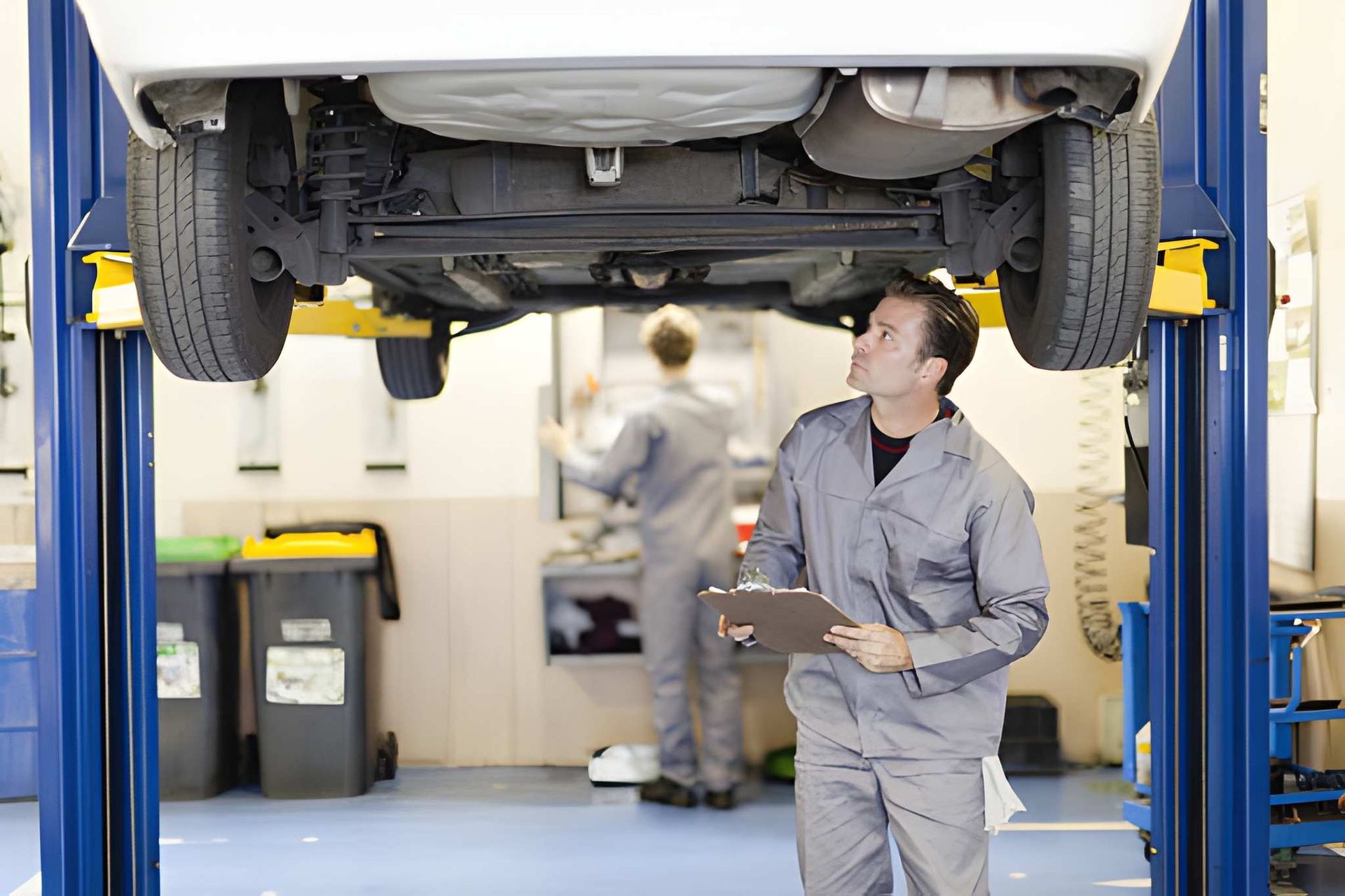
Before you get a repair quote, your vehicle needs a diagnostic. Learn why diagnostics are needed before a repair quote, how it saves you money, and what to expect during the process.
Mechanic inspecting car raised on a lift; another worker in the background, auto shop interior. | Premier Auto Service Center of SW Florida LLC
February 4, 2026
Learn how rodent car damage and other animal activity can affect your car, warning signs to watch for, and how Premier Auto Service Center in Cape Coral can help protect your vehicle.
Blog | Premier Auto Service Center
September 30, 2025
Introduction As the skies shift and temperatures fall (at least a bit), Fall is a great time to give your vehicle some extra attention. ...
Blog | Premier Auto Service Center
August 31, 2025
September in Cape Coral means the height of Florida’s rainy season, with daily downpours, sudden storms, and sky-darkening clouds that can ...
Blog | Premier Auto Service Center
July 31, 2025
If you’ve spent any time in Cape Coral this summer, you know one thing for sure — your car’s A/C has been working overtime. With average ...
Blog | Premier Auto Service Center
June 30, 2025
We’ve all been there — coffee cups rolling around, receipts piling up, and that elusive phone charger slipping between the seats. If your ...
Blog | Premier Auto Service Center
June 1, 2025
Car lights play a crucial role in keeping you safe on the road, but there are many misconceptions about how they work and when they should be used. From common myths about headlights to misunderstandings about brake and turn signals, misinformation can lead to unsafe driving conditions.
Blog | Premier Auto Service Center
April 30, 2025
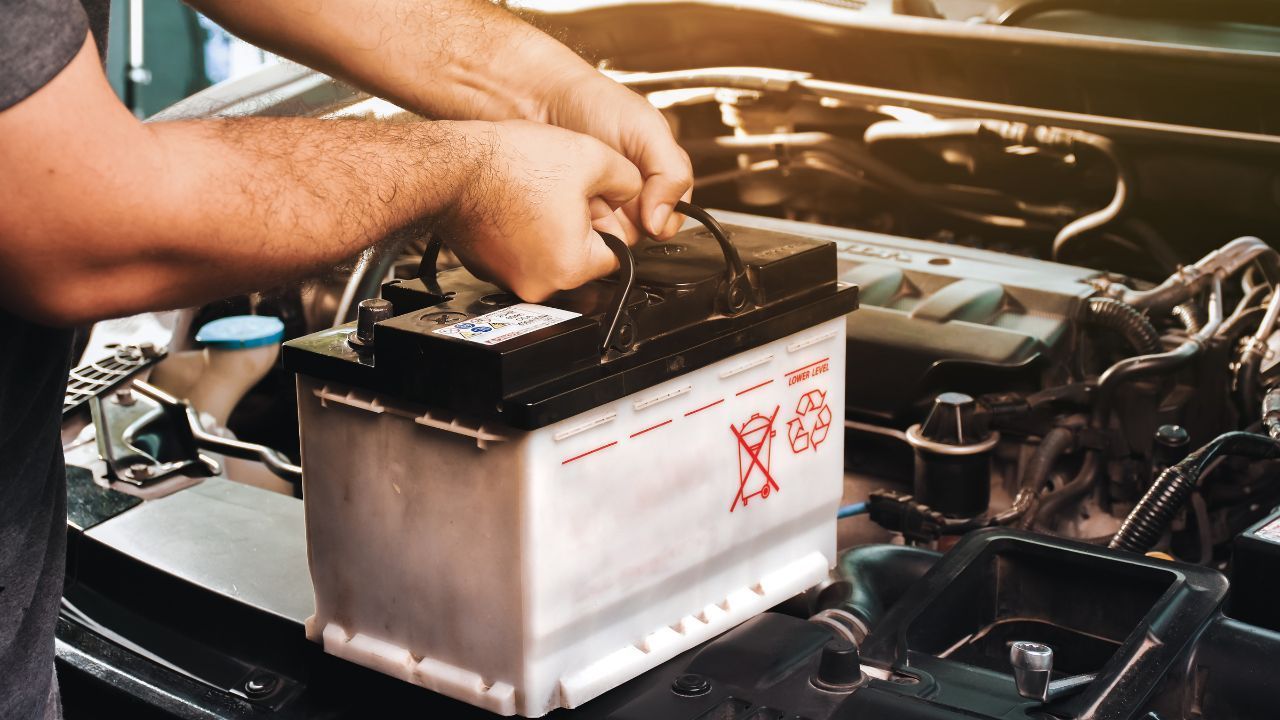
A reliable car battery is essential for keeping your vehicle running smoothly, especially in Cape Coral’s warm and humid climate.
Blog | Premier Auto Service Center
April 1, 2025
Regular oil changes are one of the most important maintenance services for keeping your engine running smoothly.